
...
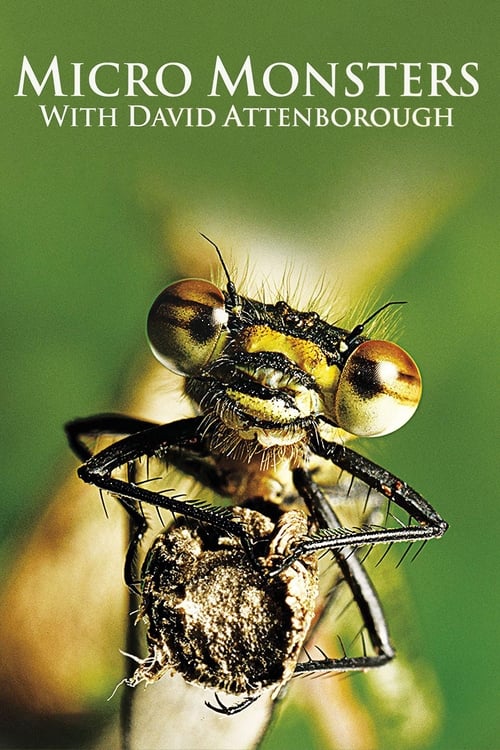
Micro Monsters with David Attenborough
这是一个微型的世界。在这个革命性的剧集中,David Attenborough揭示了这个星球上最成功的动物群体的奇妙适应性。利用开创性的微距摄影技术,他带领观众探索常人眼中无法观测的奇妙世界,从近距离观察这些迷人生物复杂而隐秘的行为以及他们建造的精巧复杂的建筑与居所。从行军蚁的杀戮,蜘蛛的巧妙陷阱,蝎子凶狠的尾刺,跳甲射向敌人那滚烫的化学物质,蜜蜂复杂的舞蹈,刺椿象身上作为伪装的尸体。
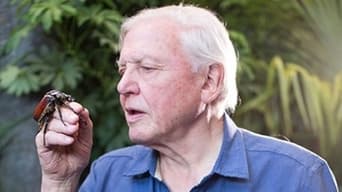
David Attenborough employs the latest technologies to explore the violence, rivalries and deadly weaponry existing within the world of bugs. This first episode examines the survival tactics of its terrifying residents including killer ants, trap-setting spiders and beetles with the ability to shoot boiling chemicals at their enemies.
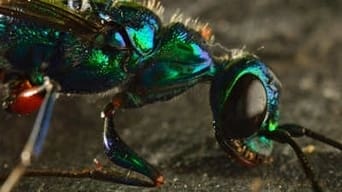
David Attenborough continues his bug-eyed view of the world of creepy-crawlies, revealing how predators defuse the defences of their prey. Highlights include the cockroach wasp, busy preparing a tasty - and very live - treat for its young, the whirligig beetle, which employs a water-based radar system, and the jumping Portia spider, which feeds on other arachnids.

A further selection of creepy-crawly close-ups, focusing on courtship in the bug world. Highlights include scorpions shaking their booty, the perfume-wearing nasonia wasp and the tropical cricket, for whom romance goes out of the window as it uses bribery to seal the deal with would-be partners. One potential partner to steer well clear of, however, is the praying mantis, the female of which is notorious for eating the male just after - or even during - mating. Narrated by David Attenborough.
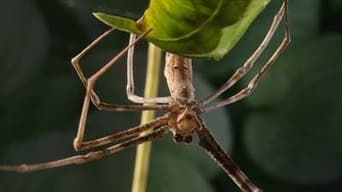
A close-up view of sex, bug-style, as David Attenborough talks viewers through the different ways in which creepy-crawlies reproduce. Size matters for the minuscule male orb spider, creepily sneaking up on its intended and trying to mate without her noticing, while there's no rest for the lothario-like butterfly, which has plenty of notches on its proverbial bedpost. However, the harvestman spider has no use for sex at all, and reproduces by cloning itself.
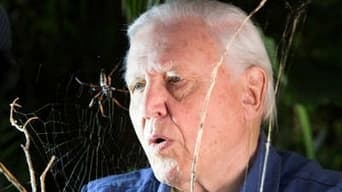
While most of the series has focused on conflict, this episode is all about co-operation. The suitably named social spiders spin one enormous, 30m web for the whole colony, a queen bee rules her hive with a strict hierarchy and some green ants show great team spirit to help build a nest together. There are no broken societies here. David Attenborough shifts the focus to bugs that prefer cooperation rather than conflict. They include burrowing cockroaches, the suitably named social spiders - which share a 30-metre web.
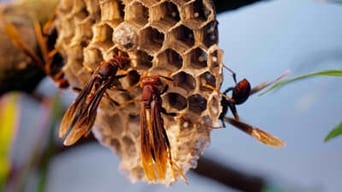
Watching the fascinating display of leafcutter ants at the Natural History Museum in London is one of my favourite ways to while away a few hours, but David Attenborough is operating on a much grander scale here in the last in the series. In Argentina he observes some cousins of the leafcutters who are part of a community so vast it spans an entire continent. It’s one of the mandible-dropping facts in a look at one of the key inventions of arthropods: colonies. From termites and honey bees to the leafcutters, it seems that if you want to get ahead, you move to the big city.