...
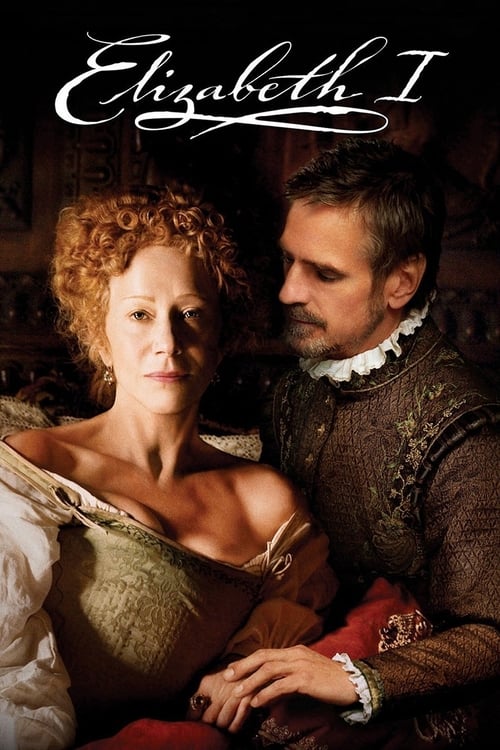
Elizabeth I
伊丽莎白一世(Elizabeth I,1533年9月7日出生于格林尼治,即今日伦敦的格林尼治,1603年3月24日逝世于萨里),于1558年11月17日至1603年3月24日任英格兰和爱尔兰女王,是都铎王朝的第五位也是最后一位君主。她终身未嫁,因此被称为“童贞女王”。她即位时英格兰处于内部因宗教分裂的混乱状态,但她不但成功地保持了英格兰的统一,而且在经过近半个世纪的统治后,使英格兰成为欧洲最强大, 富有的国家之一。英格兰文化也在此期间达到了一个顶峰,涌现出了诸如莎士比亚,培根这样的着名人物。英国在北美的殖民地亦在此期间开始确立。她的统治期在英国历史上被称为“伊丽莎白时期”,亦称为“黄金时代”。
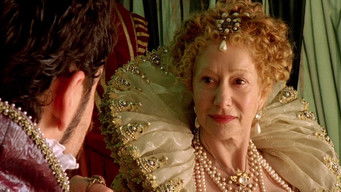
Focuses on the relationship between Elizabeth I and the Earl of Leicester, her admirer and trusted advisor. They agree they cannot marry because of strategy and politics, but Leicester remains on intimate terms with her and her advisor. He feels threatened by the Queen's interest in the Duke of Anjou as a suitor and does what he can to disrupt the courtship. The Queen also has to deal with threats posed by Mary Queen of Scots, culminating in the latter's execution after involvement in plots against Elizabeth, as well as war with Spain. There is victory over the Armada and Spanish threat, but Elizabeth's joy at this is overshadowed by the death of Leicester.
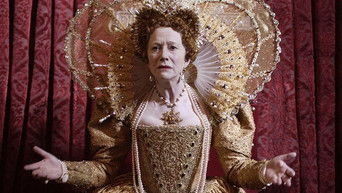
Deals with the final part of Elizabeth's reign and her relationship with the young and ambitious Earl of Essex. Her obvious affection for him causes concern to Walsingham, Cecil and Burghley, and as Essex becomes increasingly demanding, disobedient and ambitious, Elizabeth ultimately has to deal with him as a potential threat to her throne and position.