...
Civilisations
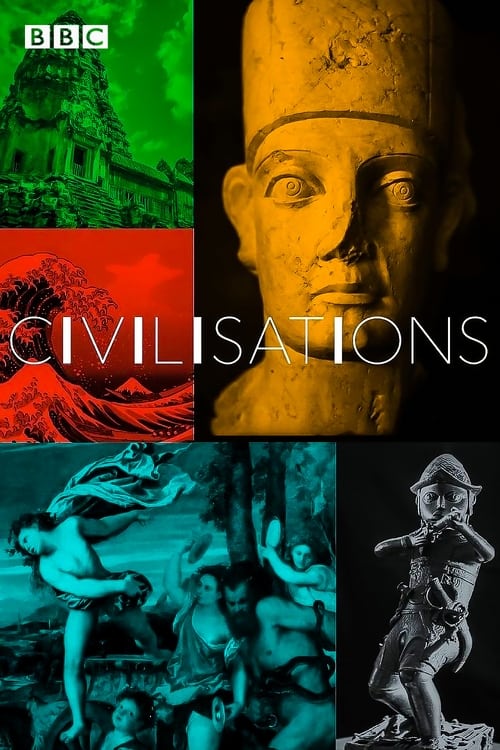
BBC新版《文明》,2018倾情奉献,共九集。涵盖六个大陆,三十一个国家,超过五百件艺术品。主讲人历史学家西蒙·沙玛、学者玛丽·比尔德以及戴维·奥卢索加将一起探索人类创造的渴望。此外,“文明节”将通过创新的数字产品和活动,为博物馆的珍宝赋予新的生命力。
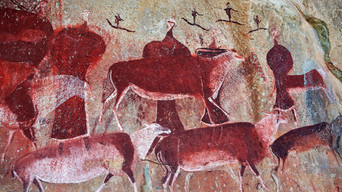
西蒙·沙玛(Simon Schama)在“文明”(Civilizations)上的第一部电影着眼于艺术和创造性想象力在塑造人类本身中所扮演的角色。 这部电影以西蒙对人类创造精神的激情认可以及艺术可以帮助培育文明生活的方式开启。文明可能不可能被界定,但它的反面 - 在整个历史中证明了人类摧毁的冲动 - 无论何时何地爆发,都显而易见。 Schama调查了人类创造力的遥远起源,这些起源于约8万年前在南非石窟中诞生的第一批已知标志;标志不是仅仅由人类的生理需求决定的。他对后来的山洞作品也有惊叹:野牛和公牛的绘画以及石器时代的雕刻。 随着时间的流逝,文明的元素汇集起来:书面语言,法律法规以及金属中伪造的战士权力的表达。正如西蒙在米诺斯文明中所发现的那样,人类开始生产艺术不仅仅是仪式。 但是,这些文化是如何产生的,它们又是如何落下的?西蒙前往中东的佩特拉和中美洲的玛雅文明来回答这些问题。他发现最终文明依赖于人类与环境的关系来维持其生存,尽管人人都相信自己的连续性,但所有人都注定要失败。
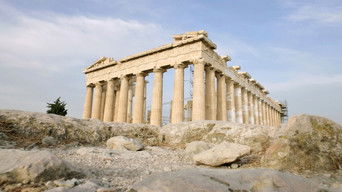
Explore the many functions of the human image in art. Portraits, paintings and sculptures, both life-size and colossal, perform a role—assuaging loss, expressing strength, inspiring fear—and were instrumental in depicting the human body today.
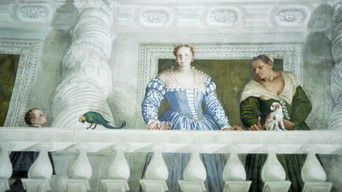
Trace the relationship between religion and art, which has inspired some of the most ingenious, affecting, majestic and breathtaking works of art ever made. Yet beneath great works of religious art often lie conflict, intrigue and divine mysteries.
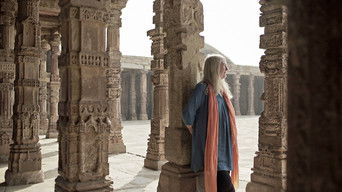
See how advances in seafaring and a thirst for trade and exploration sent human beings around the planet. Distant and disparate cultures met for the first time, and art became the great interface by which civilizations understood each other.
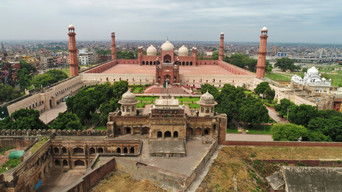
Travel east and west to explore the connections and rivalries between Renaissance Italy and the Islamic empires that experienced their own cultural flowering in the 15th and 16th centuries. Both spheres were open to influences flowing both ways.
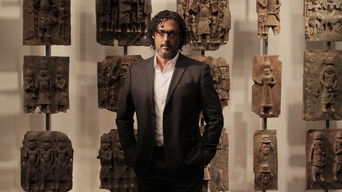
Explore one of humanity’s deepest artistic urges: the depiction of nature. But landscape painting is seldom a straightforward portrayal of observed nature; it's a projection of dreams, idylls, escapes and refuges—the elusive paradise on earth.
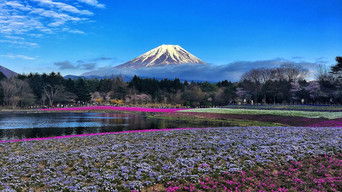
Explore the story of light and color in art—both in the search for greater realism and spiritual ecstasy. Journey from Gothic cathedrals and Indian courtly painting to modern art.
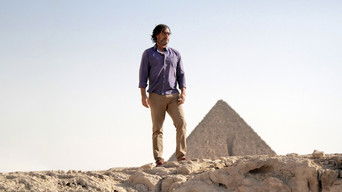
Examine the rise and fall of “progress” as an ideology, and see how the “civilizing” project that arose from Enlightenment ideas was fraught with contradictions that troubled European artists in different ways.
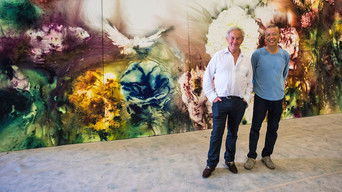
Explore art in the age of revolution, war and profound scientific change and consider the question: Should art create a separate realm, a place of escape, or should it plunge into the chaos, transforming the way we see and live in the world?